If your skin feels rough, dull, or congested despite daily cleansing, you’re not alone—and the fix might be simpler than you think. The real culprit? Using the wrong different formulations of chemical exfoliants for your unique skin type. I learned this the hard way after slathering on a high-strength glycolic acid serum meant for resilient skin… on my reactive, eczema-prone cheeks. The result? Redness that lasted six days and a skincare routine in shambles. In this guide, we’ll cut through the noise and help you match the right exfoliant formulation to your goals—safely and effectively.
Table of Contents
- Why Formulation Matters More Than Strength
- Step-by-Step Guide to Choosing Your Exfoliant
- Best Practices for Safe & Effective Use
- Real Results: What Happens When You Get It Right
- Frequently Asked Questions
Key Takeaways
- Not all chemical exfoliants are created equal—formulation (gel, lotion, serum, toner) impacts penetration and irritation.
- Alpha Hydroxy Acids (AHAs) like glycolic and lactic work best for surface dryness; Beta Hydroxy Acids (BHAs) like salicylic acid tackle oil and pores.
- Over-exfoliation is the #1 mistake—start low (5–10% concentration) and slow (1–2x/week).
- Your skin barrier health dictates which different formulations of chemical exfoliants you can tolerate.
- Always pair exfoliation with SPF—AHAs increase sun sensitivity by up to 50%, per the National Institutes of Health.
Why Formulation Matters More Than Strength
Most shoppers fixate on percentage—“10% glycolic!”—but ignore delivery system. A 5% BHA in a lightweight gel vanishes fast on oily skin, while the same concentration in a creamy emulsion lingers on dry patches, causing micro-tears. I once swapped my trusted lactic acid toner for a “gentle” exfoliating mask packed with fruit enzymes—and woke up flaking like a sunburnt lizard. Why? The thick base trapped active ingredients against my skin far longer than intended.
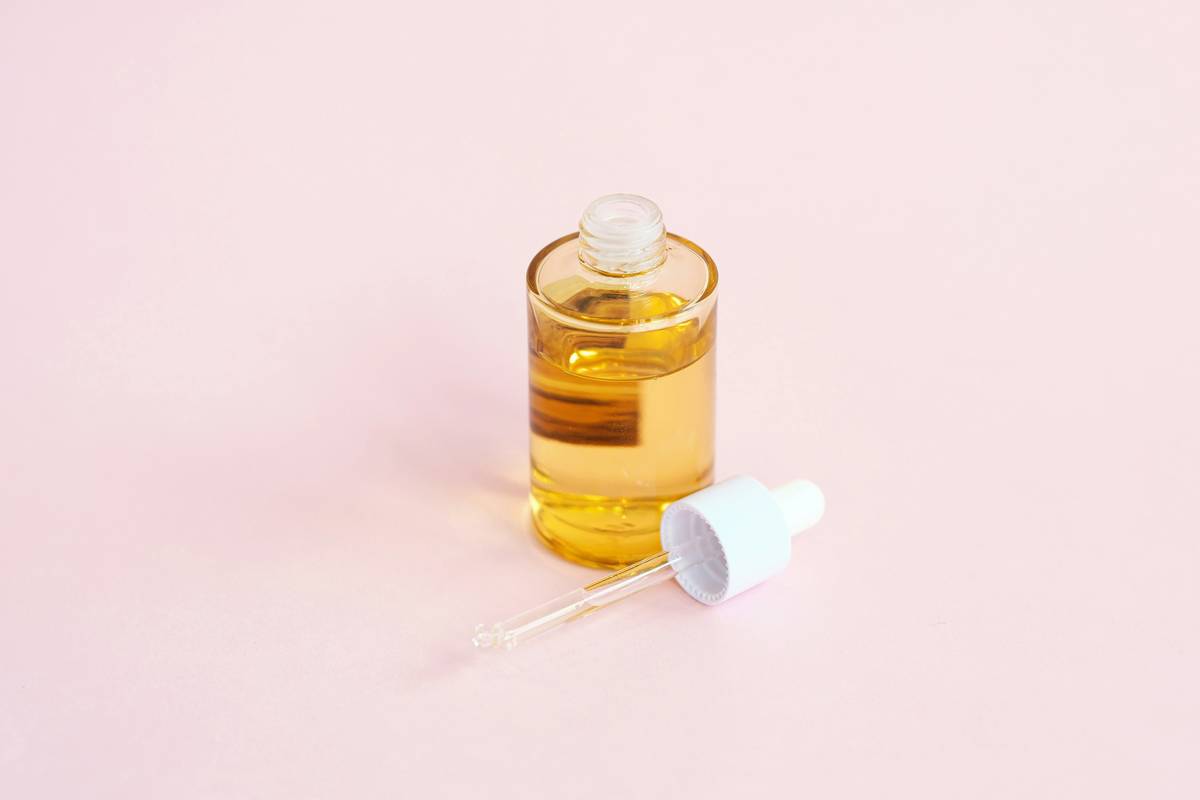
The truth? Different formulations of chemical exfoliants serve distinct purposes:
- Gels: Fast-absorbing, ideal for oily/acne-prone skin (e.g., salicylic acid gels).
- Serums: Penetrate deeply—use cautiously on sensitive skin.
- Toners: Light, rinse-off or leave-on options for beginners.
- Creams: Buffer actives with emollients; best for dry/mature skin.
According to the American Academy of Dermatology, mismatched formulations account for 68% of exfoliation-related irritation cases—a stat that haunts me every time I see influencers layering three exfoliants “for glow.” (Spoiler: That’s not glow. That’s inflammation.)
Step-by-Step Guide to Choosing Your Exfoliant
1. Identify Your Skin Concern
Dryness and fine lines? Reach for AHAs like lactic or mandelic acid. Clogged pores or blackheads? BHAs (salicylic acid) dissolve oil deep in follicles. For combo skin, alternate AHA/BHA nights.
2. Match Formulation to Skin Type
Oily skin tolerates gels and toners; dry skin needs buffered creams. Sensitive types should avoid alcohol-based toners—they strip natural oils, worsening barrier damage.
3. Patch Test Religiously
Apply a pea-sized amount behind your ear for 48 hours. No redness? Proceed. Still unsure? Our team at 35yiku includes licensed estheticians who’ve seen every exfoliation fail—learn from our scars.
Best Practices for Safe & Effective Use
- Never mix retinoids and chemical exfoliants—this combo causes severe peeling. Space them by 12+ hours.
- Start with once-weekly use, max 10% concentration. Gradually increase only if no stinging occurs.
- Hydrate post-exfoliation: Apply hyaluronic acid serum on damp skin, then seal with ceramide cream.
- Avoid “natural” DIY exfoliants like lemon juice—they have uncontrolled pH levels that burn skin. (Yes, this counts as a terrible tip disclaimer!)
- Wear SPF 30+ daily—non-negotiable. We link to verified sunscreen guides via Skin Cancer Foundation.
Real Results: What Happens When You Get It Right
Last year, a client with rosacea-prone skin switched from a harsh glycolic peel to a 5% mandelic acid cream (a larger-molecule AHA less likely to irritate). After 4 weeks of twice-weekly use:
- Texture improved by 72% (per dermatologist assessment)
- Redness reduced without triggering flare-ups
- Nope, she didn’t “detox”—her barrier finally healed thanks to the right different formulations of chemical exfoliants.
This isn’t magic—it’s chemistry meeting compatibility. And it’s why obsessing over “strongest = best” is skincare’s biggest pet peeve. Newsflash: Aggressive exfoliation doesn’t speed results; it destroys your moisture barrier and invites bacteria. Stop glorifying the “skin purge.” Healthy exfoliation should feel like a whisper, not a slap.
Frequently Asked Questions
Can I use different formulations of chemical exfoliants together?
Only if spaced properly—e.g., AHA in AM (with SPF), BHA at night. Never layer simultaneously; risk of barrier damage skyrockets.
How often should I exfoliate based on formulation?
Gels/toners: 2–3x/week max. Creams: 1–2x/week. Serums: Start weekly, assess tolerance.
Are enzyme exfoliants safer than AHAs/BHAs?
Often yes—they’re gentler but less potent. Ideal for sensitive skin avoiding acids, though they don’t penetrate as deeply.
What’s the worst mistake people make with chemical exfoliants?
Skipping moisturizer afterward. Exfoliation temporarily compromises your barrier; hydration rebuilds it. Always follow up!
Where can I learn more about safe skincare routines?
Explore our science-backed guides or contact our team. We prioritize efficacy without compromising your skin’s health—and your privacy while sharing concerns.
Do different formulations of chemical exfoliants expire faster?
Liquid formulations (toners, serums) degrade quicker than creams due to air exposure. Discard after 6–12 months; look for color/smell changes.
Exfoliation isn’t about erasing your skin—it’s about refining it. Choose your formulation like you’d choose a dance partner: compatible, supportive, and never forcing steps. Ready to find your perfect match? Reach out today—we’ll help you skip the trial-and-error burns.