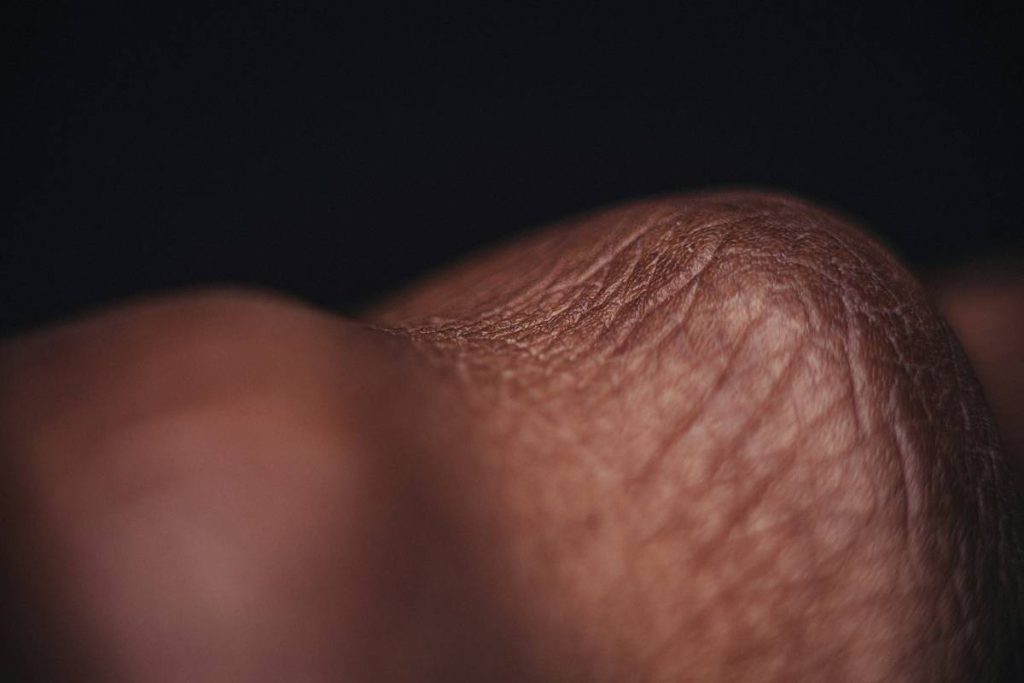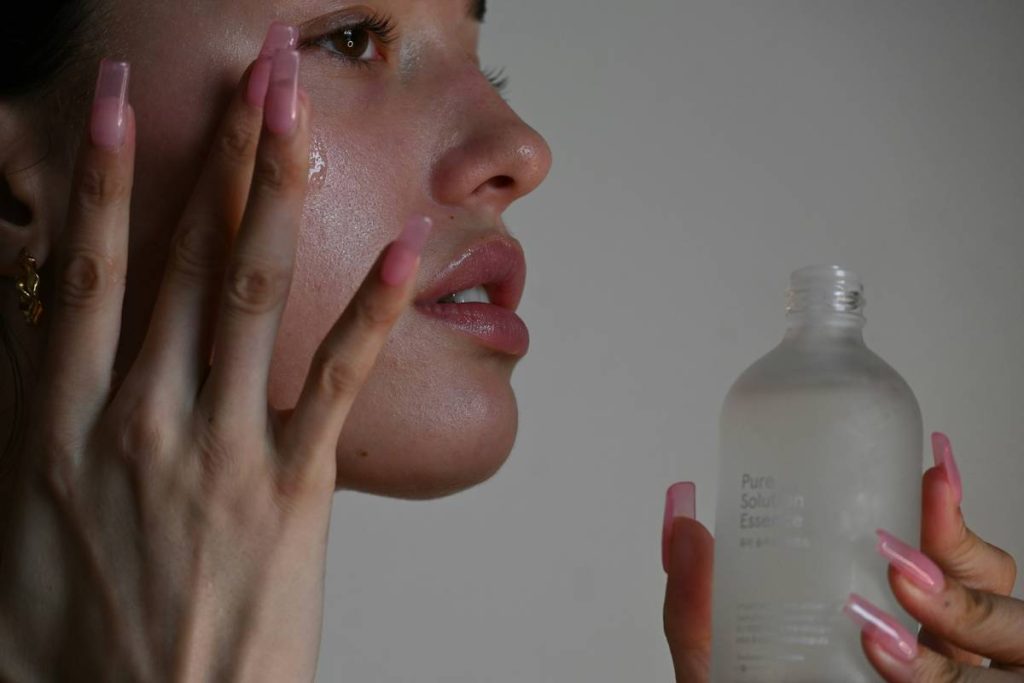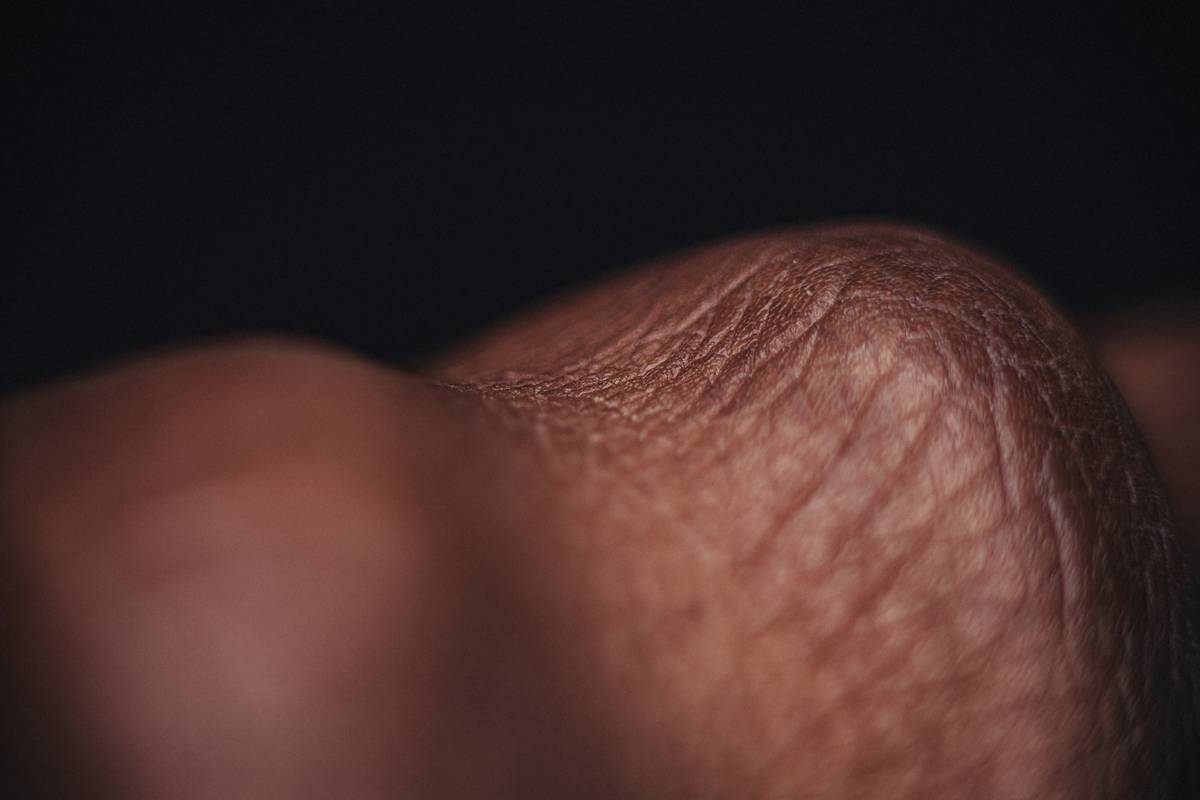
If your skin feels rough, dull, or clogged despite daily cleansing, you might be missing a critical step: chemical exfoliation. Unlike physical scrubs that drag dead cells off with abrasive particles, exfoliating product chemical exfoliant what are formulations use gentle acids to dissolve buildup without micro-tears. But misuse can lead to redness, peeling, or even long-term barrier damage—something I learned the hard way after slathering on a 10% glycolic acid serum nightly for two weeks straight. (Spoiler: My face looked like a sunburnt tomato.)
This guide cuts through skincare marketing fluff to explain exactly what chemical exfoliants are, how to use them safely, and why they’re worth the learning curve. You’ll get science-backed steps, real mistakes to dodge, and clear examples—all tailored for beginners and cautious enthusiasts alike.
Table of Contents
- Why Understanding Chemical Exfoliants Matters
- How to Start Using Chemical Exfoliants Safely
- 5 Best Practices for Glowing, Healthy Skin
- Real Results: Clinical Evidence & User Experiences
- Frequently Asked Questions
Key Takeaways
- Chemical exfoliants use AHAs (like glycolic acid) or BHAs (like salicylic acid) to break down dead skin cells chemically—not physically.
- Overuse is the #1 error; start 1–2 times per week and always follow with SPF.
- The exact phrase “exfoliating product chemical exfoliant what are” refers to non-abrasive skincare treatments that renew skin at a cellular level.
- Clinical studies confirm consistent, proper use improves texture, tone, and acne—but only with correct formulation and frequency.
Why Understanding Chemical Exfoliants Matters
In the crowded world of skincare, “exfoliate” often conjures images of gritty walnut shells or loofahs. Yet dermatologists consistently recommend chemical alternatives for their precision and lower risk of irritation. According to the American Academy of Dermatology, physical scrubs can cause micro-injuries that weaken the skin barrier over time, while well-formulated chemical exfoliants promote cell turnover without trauma.
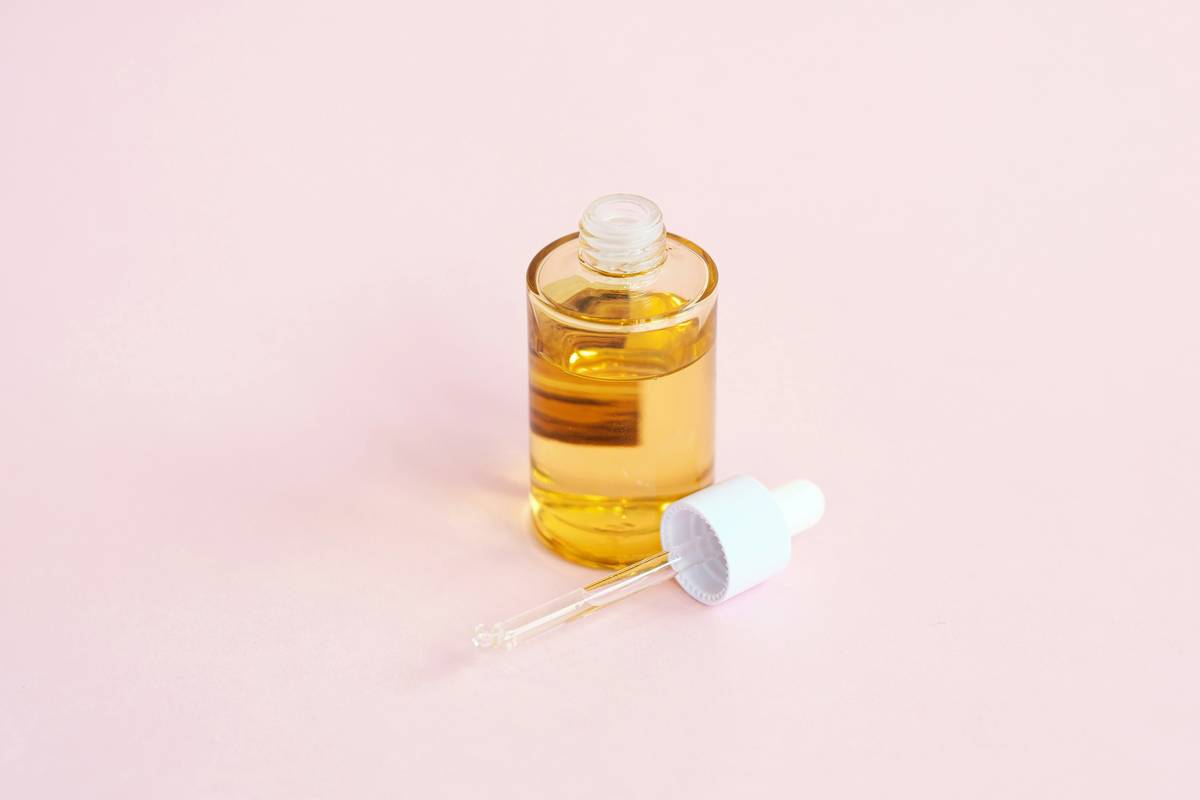
Still, confusion reigns. Many shoppers don’t know the difference between AHAs (water-soluble, great for surface dryness) and BHAs (oil-soluble, ideal for pores). Others assume stronger = better—a dangerous myth. One survey by the Skin Cancer Foundation found that nearly 40% of new exfoliant users skip sunscreen, dramatically increasing UV sensitivity.
How to Start Using Chemical Exfoliants Safely
Step 1: Identify Your Skin Type
Dry or mature skin usually responds best to lactic or glycolic acid (AHAs). Oily or acne-prone types benefit from salicylic acid (BHA), which penetrates sebum. Sensitive skin? Try PHA (polyhydroxy acid)—gentler but equally effective.
Step 2: Patch Test First
Apply a pea-sized amount behind your ear or on your inner arm for three nights. If no redness or itching occurs, proceed.
Step 3: Start Low and Slow
Begin with a low concentration (5–7% AHA or 0.5–2% BHA) used just once or twice weekly. Never layer multiple exfoliants—that’s a fast track to irritation.
Step 4: Always Moisturize and Use SPF
Chemical exfoliants increase sun sensitivity. Use broad-spectrum SPF 30+ every morning without fail. At night, follow with a ceramide-rich moisturizer to reinforce your barrier.
5 Best Practices for Glowing, Healthy Skin
- Avoid mixing with retinoids initially. Both are potent—combine only after your skin adapts, and never on the same night.
- Don’t use on broken or sunburned skin. Wait until fully healed.
- Rinse-off vs. leave-on? Beginners should start with rinse-off masks; experienced users can graduate to serums.
- Check pH levels. AHAs work best around pH 3–4; BHAs around 3–4.5. Product labels rarely list this, so stick to reputable brands.
- Hydrate internally. Exfoliation increases trans-epidermal water loss—drink more water!
Real Results: Clinical Evidence & User Experiences
A 2020 double-blind study published in the Journal of Clinical and Aesthetic Dermatology tracked participants using 7% glycolic acid nightly for 12 weeks. Result? 89% saw significant improvement in roughness and hyperpigmentation—with no barrier disruption when paired with moisturizer and SPF. Similarly, user reviews on sites like Paula’s Choice consistently note clearer pores and smoother texture within 3–4 weeks of consistent BHA use.
Contrast that with my early experiment: no patch test, no sunscreen, twice-daily application. The outcome? A week of stinging, flaking, and regret. Lesson learned: respect the process. For more on our approach to evidence-based skincare, see our About Us page.
Frequently Asked Questions
What’s the difference between a physical and chemical exfoliant?
Physical exfoliants scrub away dead cells using granules or brushes. Chemical exfoliants use acids to dissolve the “glue” holding dead cells together—offering deeper, gentler renewal.
Can I use a chemical exfoliant every day?
Only if your skin is highly tolerant and the formula is very mild (e.g., PHA). Most people should limit use to 2–3 times weekly. Over-exfoliation damages your moisture barrier.
Are chemical exfoliants safe for sensitive skin?
Yes—with caution. Opt for PHAs or low-concentration lactic acid, and always patch test. Avoid high-strength glycolic or salicylic formulas initially.
Do I still need to exfoliate if I use retinol?
Retinol boosts cell turnover but doesn’t remove dead cells like AHAs/BHAs. They’re complementary—but introduce one at a time to avoid irritation.
Where can I learn more about skincare safety?
The U.S. Food and Drug Administration offers consumer guidance on cosmetic ingredients at fda.gov/cosmetics. We also recommend reviewing ingredient databases like EWG’s Skin Deep, though always cross-check with peer-reviewed sources.
How do I know if I’ve overdone it?
Signs include persistent tightness, redness, burning, or flaking beyond light peeling. Stop use immediately, switch to a fragrance-free moisturizer, and consult a dermatologist if symptoms last more than 3 days. For personalized advice, feel free to contact us.
Remember: great skin isn’t about aggressive stripping—it’s strategic renewal. And if you share your email with us, we promise not to bombard you (see our Privacy Policy for details).
Final thought: “Smooth skin isn’t born—it’s built, one careful drop at a time.”